
Ledger.com/Start® | Getting started®™ — Ledger Support
Ledger.com/start makes it easier to configure your hardware wallet while providing guidance for crypto accounts, balances, transfers, and everyday management.
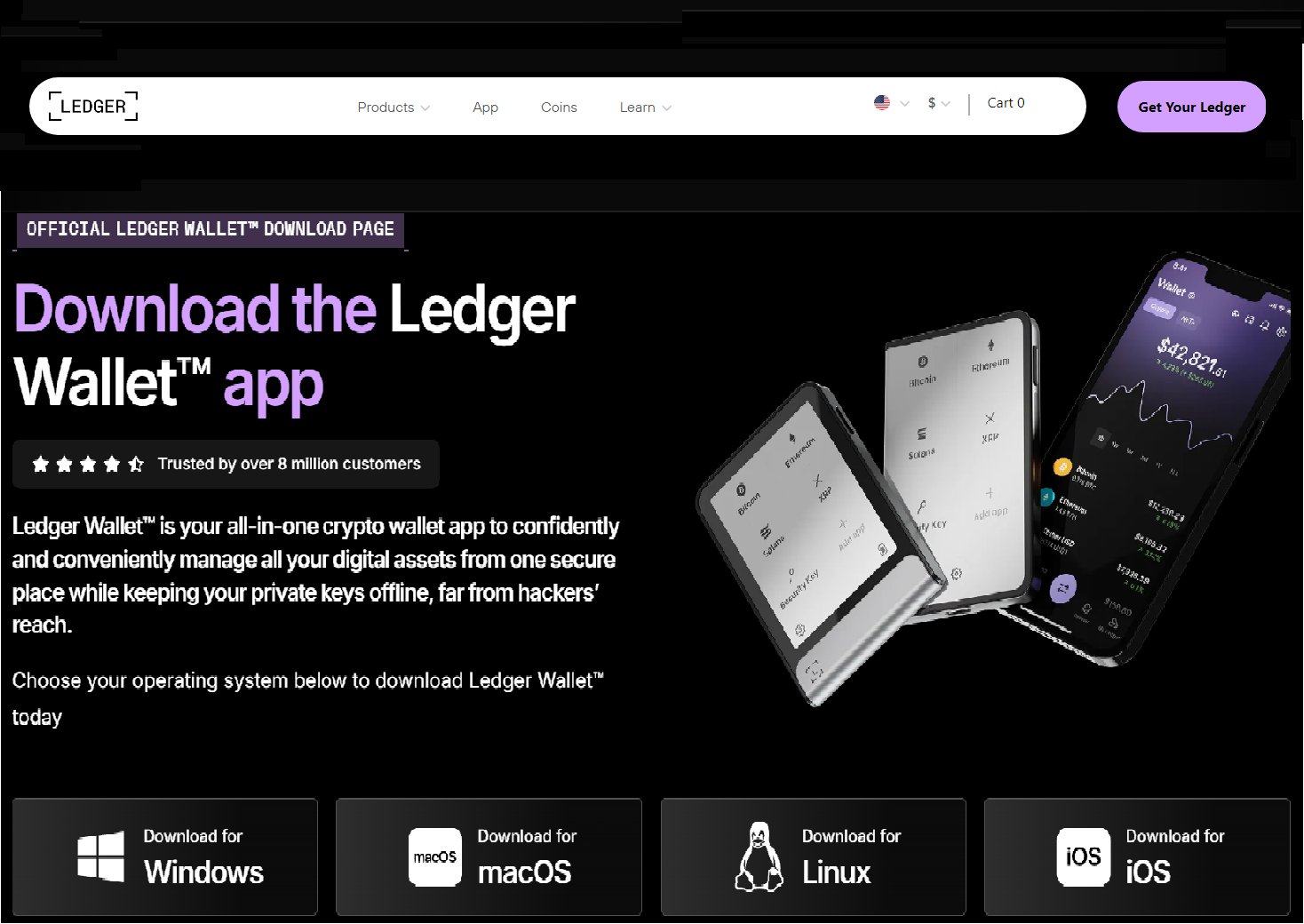
Ledger.com/start: Essential Steps for New Wallet Users
For someone using a hardware wallet for the first time, the setup process can seem unfamiliar. Ledger.com/start offers a starting point for learning the basic steps involved in preparing a Ledger device and understanding how it can be used for supported cryptocurrency activities.
A good approach is to focus on security at every stage rather than treating it as something to consider later.
Step One: Use a Trusted Source
Begin with official Ledger setup information.
Avoid downloading applications or entering wallet information through websites discovered in unexpected messages. Fake websites can closely imitate legitimate wallet services, making the website address an important detail to check.
Step Two: Prepare the Hardware Wallet
Connect your device according to its official instructions.
During setup, the device may display prompts requiring you to confirm actions. Pay attention to these messages and avoid approving something you do not recognize.
Step Three: Secure Your Recovery Information
Your recovery information should never be treated like an ordinary password.
Write it down as instructed and keep it in a secure private location. Never share it with another person or enter it into an online form.
If someone asks for this information through chat, email, or a supposed support channel, do not provide it.
Step Four: Set Up Compatible Software
Install compatible wallet software only from a trusted official source.
After connecting your hardware wallet, follow the available instructions to access or create supported accounts. Features and supported assets can vary, so review current compatibility information when necessary.
Step Five: Learn Before Making a Transfer
Before sending a large amount of cryptocurrency, become familiar with the transaction workflow.
Understand how addresses are displayed, how amounts are entered, and where transaction information appears before approval. A small test transaction may also be useful when appropriate.
Step Six: Verify on the Hardware Device
Never rely solely on what appears on your computer screen.
When the device displays transaction details for confirmation, compare them with what you intended to send. Pay close attention to the recipient address and amount.
Step Seven: Stay Alert After Setup
Security continues after the wallet has been configured.
Be cautious about unsolicited messages claiming that your wallet has been locked, compromised, or requires urgent verification. Do not install unknown software or reveal confidential wallet information because of a threatening message.
A Simple Long-Term Checklist
For everyday use, remember these basic practices:
- Use trusted official wallet resources.
- Keep recovery information private.
- Download software from legitimate sources.
- Review transaction information before approval.
- Keep your device physically secure.
- Treat unexpected support messages cautiously.
- Check compatibility before using a particular asset or network.
FAQs
Is Ledger.com/start only for experienced crypto users?
No. The setup process can also be useful for people who are new to hardware wallets.
Why is the hardware-device confirmation important?
It provides an additional opportunity to review transaction information before approving an operation.
What should I do if I forget my recovery information?
Do not search for unofficial recovery services or give sensitive information to strangers. Follow official guidance for your specific situation.
Should I click links from wallet support messages?
Unexpected messages and links should be treated cautiously. Independently navigate to trusted official resources instead.
Conclusion
Learning the basics before making your first transaction can make hardware-wallet management more comfortable. Ledger.com/start provides a useful starting point, while careful setup, private recovery information, trusted software, and transaction verification help establish responsible wallet-management habits.
Updated about 8 hours ago