
Ledger.com/Start® | Getting started®™ — Ledger Support
Start at Ledger.com/start to connect your Ledger hardware wallet and discover tools for account management, portfolio tracking, asset monitoring, and transactions.
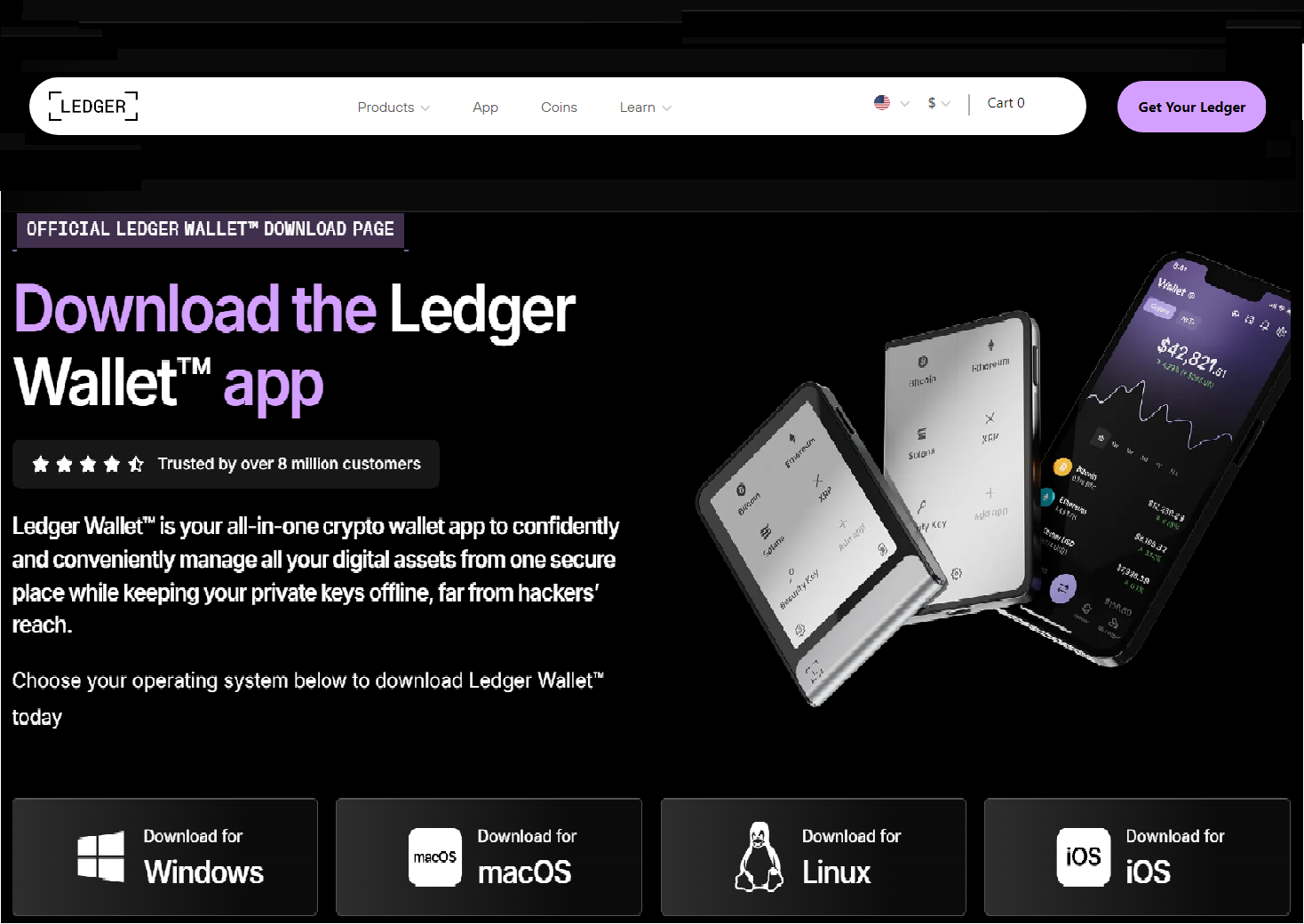
Ledger.com/start: Create a Secure Routine for Crypto
Managing digital assets through a hardware wallet works best when security becomes part of your normal routine. Ledger.com/start can introduce the initial Ledger wallet setup, while everyday habits determine how carefully the wallet is managed afterward.
From the first device connection to routine transactions, each stage deserves attention.
Begin With a Clean Setup
Before installing software or connecting the wallet, make sure you have reached the correct official setup resource.
Avoid using links from unsolicited messages. Instead, independently navigate to trusted Ledger resources and verify the website address.
Configure the Hardware Carefully
Connect your Ledger device according to the instructions for your model.
Do not rush through the prompts. Read the information shown on the device and confirm only actions you recognize.
This initial attention can help you become familiar with how the hardware wallet works.
Protect Your Most Important Information
Recovery information should receive the highest level of privacy.
Store it securely and avoid making digital copies that could be exposed through a compromised phone, computer, or online account.
Never send recovery information to another person, even if they claim to be providing technical assistance.
Use Trusted Wallet Software
Once your hardware is ready, use compatible wallet software obtained from a legitimate source.
The software can provide an interface for supported accounts and crypto-management tasks. Before using a particular asset or network, check whether it is currently supported by your setup.
Establish a Transaction Habit
Before approving any transaction, follow the same basic routine.
First review the recipient. Next check the amount. Then compare the transaction details shown on your hardware device with your intended operation.
Only approve the transaction when the information is correct.
Take Care With Receiving Addresses
Receiving cryptocurrency also requires accuracy.
Before sharing a receiving address, make sure it belongs to the intended account and corresponds to the appropriate asset or network.
A simple address check can help prevent avoidable transfer errors.
Keep Suspicious Requests at a Distance
Never allow an unexpected message to dictate your wallet actions.
Be especially cautious when someone asks you to reveal recovery information, install remote-access software, click an unfamiliar link, or move funds to a supposedly "safe" address.
When assistance is needed, use trusted official resources.
Review Your Habits Regularly
Good wallet security should remain consistent over time.
Periodically check where your recovery information is stored, whether you are using legitimate software, and whether you still recognize the normal transaction-confirmation process.
FAQs
What is the first step when using Ledger.com/start?
Begin by accessing trusted official setup information and verifying the source before entering sensitive information.
Can recovery information be shared with family members?
Treat it as confidential wallet information and avoid sharing it with other people.
What should I check when receiving crypto?
Confirm that the receiving address belongs to the intended account and is appropriate for the relevant asset or network.
Why is a regular security routine useful?
Consistent checks can help reduce accidental mistakes and make suspicious requests easier to recognize.
Does a hardware wallet remove every security risk?
No. Users still need to protect recovery information, use trusted software, verify transactions, and remain alert to scams.
Final Takeaway
A secure crypto routine begins with careful setup and continues with consistent habits. Using Ledger.com/start as a starting point, protecting recovery information, selecting trusted software, and checking every important transaction can help users approach hardware-wallet management more carefully.
Updated about 7 hours ago