
Ledger.com/Start® | Getting started®™ — Ledger Support
Start your wallet setup with Ledger.com/start and access helpful information for device connection, crypto management, portfolio tracking, and transaction security.
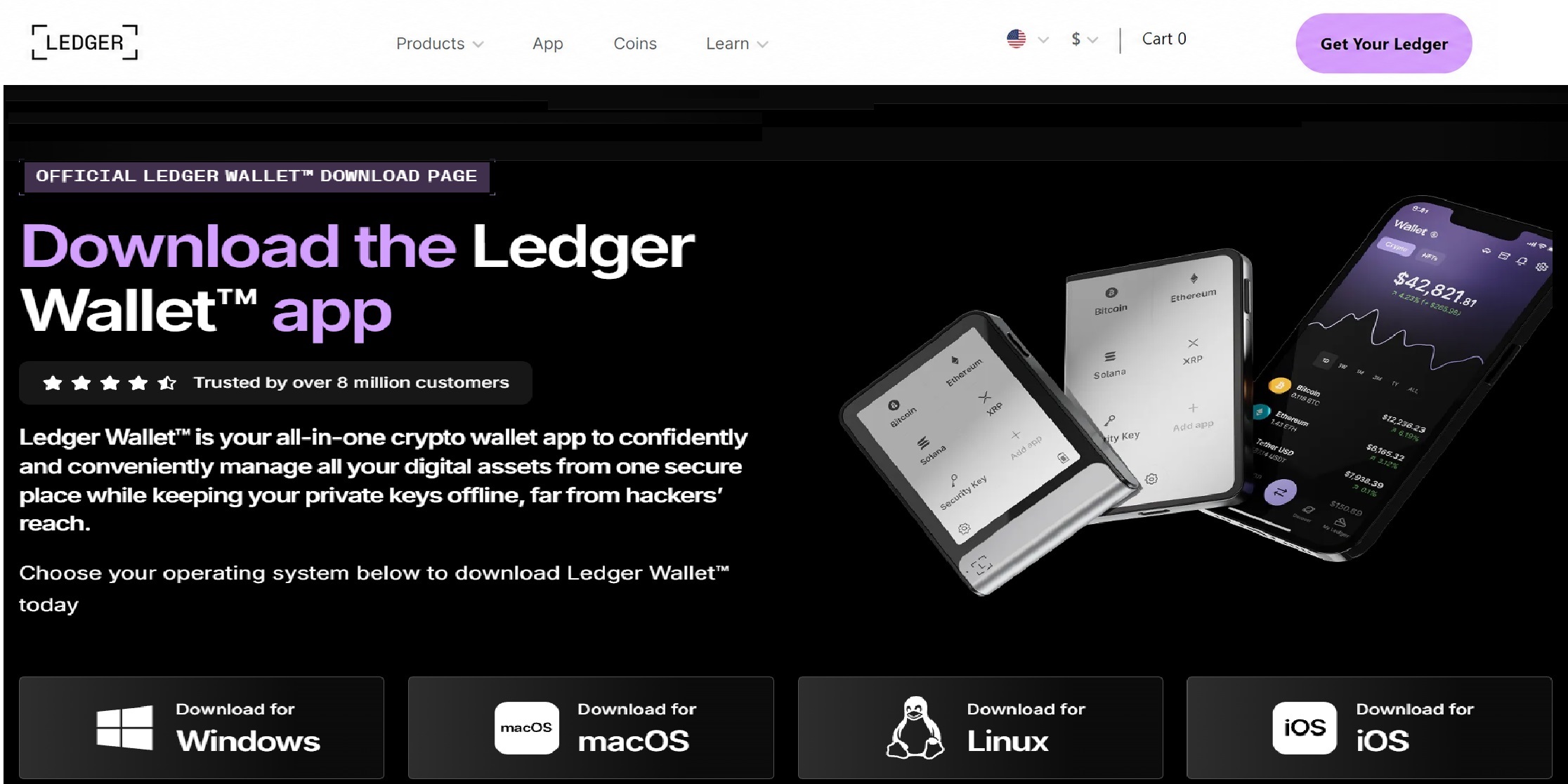
Ledger.com/start: Build Confidence Before Your First Transfer
The first crypto transfer can feel like an important milestone for a new hardware wallet user. Before moving funds, it helps to understand the wallet interface, know how to verify transaction details, and establish secure habits. Ledger.com/start can provide a starting point for users who want to become familiar with wallet setup and responsible crypto access.
Learn the Environment First
Before making a transaction, explore the wallet software and hardware device. Identify where your accounts are shown and how balances and transaction records are presented.
Understanding the interface before moving funds can make the first transaction less intimidating and easier to review.
Verify Your Setup Path
Use trusted Ledger resources when learning how to configure the wallet. Be especially careful with links received from strangers or unexpected messages.
Scammers may create imitation websites that request wallet details or direct users toward questionable downloads. If you are uncertain about a website, stop and verify its source independently.
Understand Your Wallet Information
During setup, you may encounter important wallet information that should be protected carefully.
Recovery information should never be shared with another person or entered into a website because someone claims it is needed for verification. Keep it secure and limit access to it.
Security depends heavily on protecting this information.
Review Supported Assets Carefully
Before transferring crypto, understand which asset and network you are working with. Different cryptocurrencies and networks can have different transaction requirements.
Do not rely only on an asset name when choosing a transaction option. Review the complete information displayed by the wallet.
Make a Small Practice Check
If appropriate for your situation, becoming familiar with a transaction using a small amount can help you understand the workflow before handling a larger transfer.
Regardless of transaction size, continue reviewing the address, network, asset, and amount before approval.
Verify the Receiving Address
When receiving crypto, make sure the address is associated with the intended account. Check the relevant network as well.
Avoid copying an address from an old message without verifying that it is still the information you intend to use.
Inspect the Final Sending Details
Before approving a transfer, slow down and compare the displayed information with your original plan.
Look for:
- Destination
- Asset
- Network
- Amount
- Transaction details
If something appears unexpected, do not approve until the issue is understood.
Watch for Fake Wallet Websites
A common security mistake is trusting a website because it looks familiar. Imitation pages can closely reproduce branding and layouts.
Always consider how you reached the page and whether the address is correct. Accessing trusted resources independently is safer than relying on unsolicited links.
Keep Your Device and Information Secure
Your security routine should continue after the first transaction. Store the hardware device carefully, protect recovery information, and remain selective about the software and services you use.
If you notice unexpected prompts, unusual messages, or suspicious activity, investigate before continuing with wallet operations.
Final Thoughts
Ledger.com/start can be a useful entry point for learning the fundamentals of hardware wallet setup. Before making a first transfer, focus on understanding the wallet, protecting recovery information, checking assets and networks, and reviewing every transaction carefully.
Confidence comes from knowing what you are doing—not from rushing through the process.
FAQs
Should I explore my wallet before making a transfer?
Yes. Becoming familiar with accounts, balances, and transaction screens can make the first transfer easier to understand.
How should I handle an unexpected request for wallet information?
Do not provide sensitive information immediately. Verify the request through a trusted source.
Does the size of a transaction affect the need for verification?
Every transaction should be reviewed carefully, regardless of its size.
Why should I check the asset and network separately?
An asset name alone may not provide enough information to determine whether a particular network or transaction method is appropriate.
What is the most important habit before approving a transaction?
Compare the final transaction details with your intended transfer and stop if anything does not match.
Updated about 7 hours ago