
Ledger.com/Start® | Getting started®™ — Ledger Support
Ledger.com/start helps you prepare your hardware wallet and manage digital assets with account organization, portfolio tracking, balance views, and transaction tools.
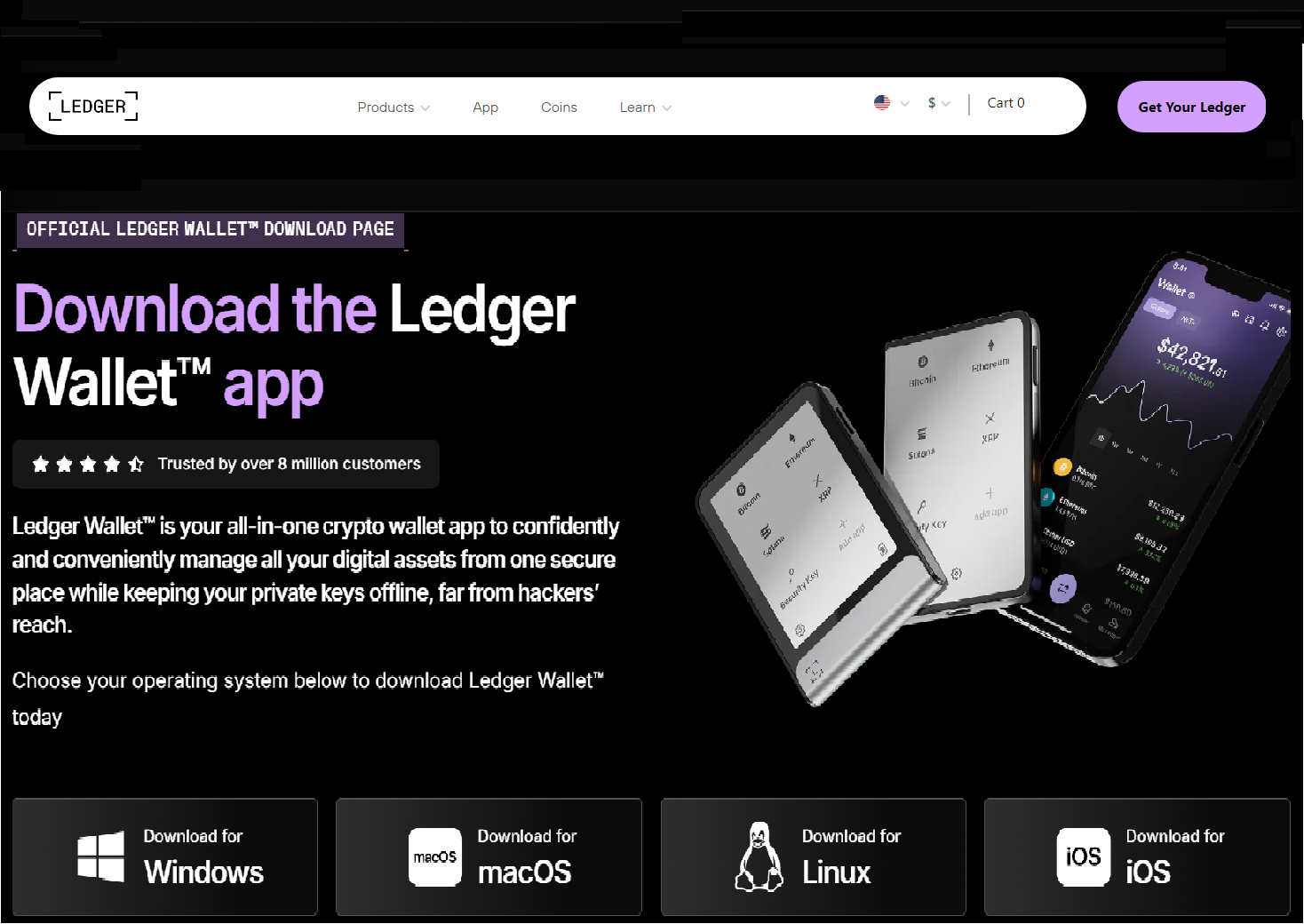
Ledger.com/start: Set Clear Rules for Secure Wallet Use
A reliable crypto wallet routine starts with a few clear rules. Use trusted resources, protect sensitive recovery information, understand your accounts, and verify transactions before approving them. Ledger.com/start can be a starting point for users who want to learn the fundamentals of setting up and using a hardware wallet with greater awareness.
Rule One: Verify Before You Trust
The first rule is simple: verify the source before taking action.
When looking for wallet instructions or software, check that the resource comes from a trusted provider. Avoid relying on unsolicited links, suspicious advertisements, or unfamiliar websites.
If you are uncertain about a page, leave it and find the relevant resource independently.
Rule Two: Understand Before You Confirm
Setup prompts should not be treated as routine clicks. Read what the wallet software and hardware device display and understand what you are approving.
If an action is unfamiliar, pause.
This approach is particularly useful when the wallet requests a confirmation involving an important security or transaction operation.
Rule Three: Keep Recovery Information Private
Never share your recovery information with another person.
A stranger, social media account, or unexpected support contact should not receive this information simply because they claim to be helping you.
Keep sensitive recovery details protected and avoid exposing them through digital copies or online storage.
Rule Four: Know Your Accounts
Spend time learning how your accounts are organized. Understand where balances and transaction histories appear and identify the assets you actually use.
If several networks or assets are available, carefully distinguish between them.
This knowledge helps you make more deliberate choices during transactions.
Rule Five: Check Before Receiving
When receiving crypto, verify the account and receiving address before sharing it.
Confirm the appropriate network for the intended transaction. Do not rely on assumptions based on an earlier transfer.
For valuable transfers, give the details an additional review before proceeding.
Rule Six: Review Before Sending
Before approving a transfer, check every important detail.
Compare the destination address, asset, network, amount, and final transaction information with your original intention.
If something is wrong or unexpected, stop.
A transaction should be approved because you understand it—not because a message or application is pressuring you to act quickly.
Rule Seven: Question Unexpected Messages
Be cautious when a wallet-related message arrives unexpectedly. Claims about locked funds, urgent verification, security problems, or immediate account action may be designed to create panic.
Do not click first and investigate later. Verify the claim independently through a trusted source.
Rule Eight: Keep the Device Secure
Physical access matters too. Store your hardware wallet carefully and avoid leaving it where unauthorized people can access it.
Use trusted software and remain selective about third-party applications or services you connect to your wallet.
Turn the Rules Into a Routine
These rules become more useful when they are applied consistently. Before important wallet actions, take a short pause and ask whether the source, information, account, network, and transaction details are correct.
A repeatable routine can reduce avoidable errors.
Final Takeaway
Ledger.com/start can help users begin learning about hardware wallet setup, but secure use depends on the habits maintained afterward. Verifying sources, protecting recovery information, understanding accounts, and checking transactions can all contribute to a more careful approach to crypto management.
FAQs
What is the first security rule for a new wallet user?
Verify that your setup instructions and software come from a trusted source before proceeding.
Why should I read prompts instead of clicking through them?
Understanding each prompt helps you know what action you are confirming.
What should I do if someone requests confidential wallet information?
Do not disclose it. Verify the request independently through a trusted channel.
How can I reduce mistakes with multiple crypto assets?
Identify the exact asset and network before beginning a transaction.
What should I do when a wallet message creates urgency?
Pause and verify the claim independently instead of responding immediately.
Updated about 7 hours ago