
Ledger.com/Start® | Getting started®™ — Ledger Support
Visit Ledger.com/start to connect your Ledger hardware wallet and explore practical tools for monitoring portfolios, managing accounts, and handling crypto activity.
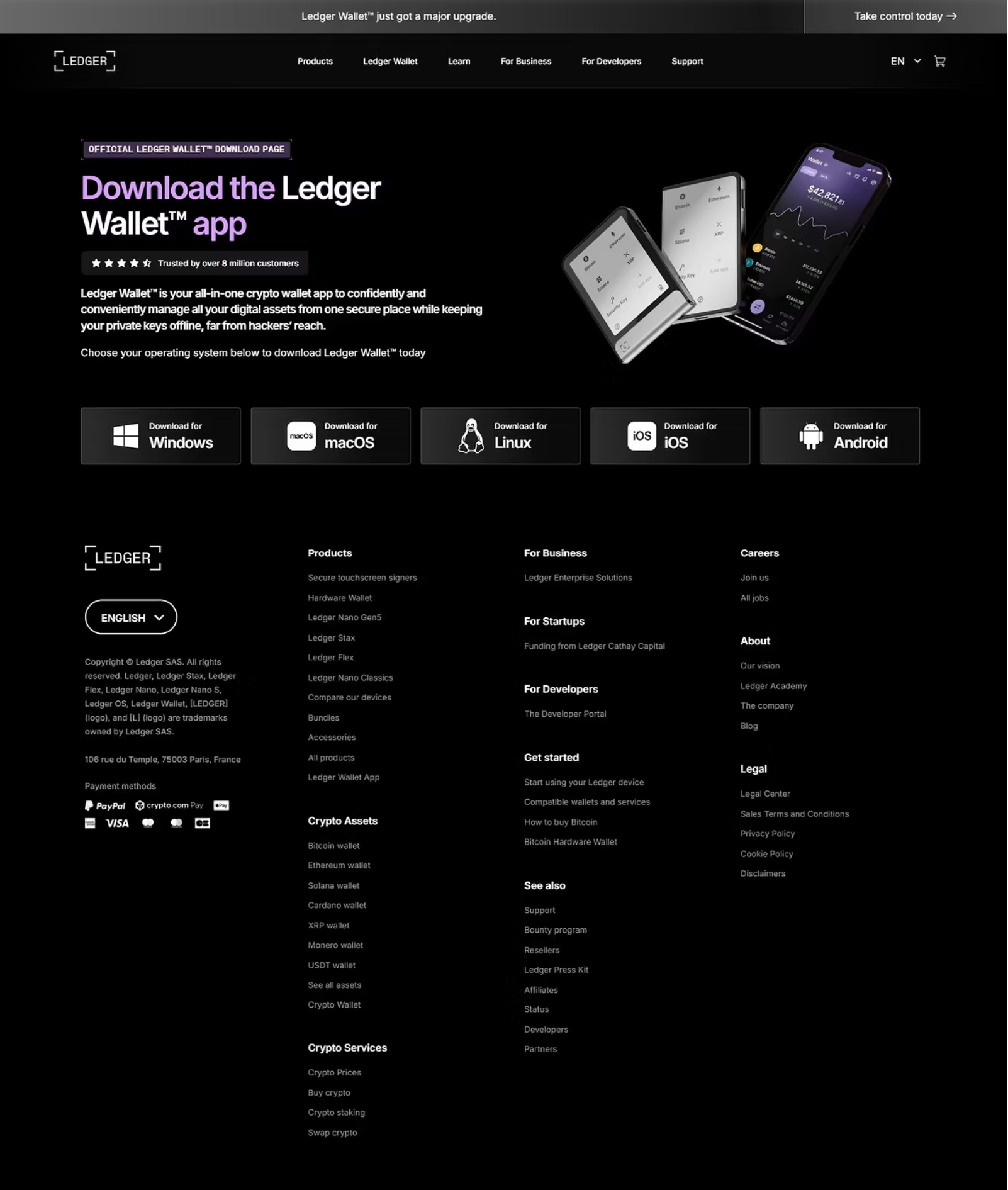
Ledger.com/start: Learn Safer Wallet Management From Day One
The first day with a hardware wallet is a good opportunity to establish habits that can continue throughout your cryptocurrency journey. Ledger.com/start can introduce the initial Ledger setup process while giving users a foundation for understanding secure wallet management.
Rather than focusing only on installation, it helps to consider what happens after the setup is complete.
Choose the Correct Setup Resource
Start from a trusted Ledger website and verify the address before continuing.
Avoid wallet instructions from unknown websites or unsolicited messages. Fraudulent pages may imitate the design of legitimate services.
Configure Your Hardware
Connect the Ledger device according to the instructions for the specific model.
Pay close attention to information displayed directly on the device. Confirm actions only after you understand what the device is asking you to approve.
Create a Secure Backup Habit
Recovery information should be protected from the beginning.
Keep it private and securely stored offline. Do not share it with friends, online contacts, support representatives, or anyone else.
Avoid creating easily accessible digital copies.
Set Up Supported Accounts
After the hardware configuration is complete, use compatible wallet software to access supported accounts.
Review the available features and confirm that the assets and networks you want to use are supported by your current setup.
Practice Before Making Major Transfers
Before moving significant funds, learn how the transaction process works.
Review your account information and understand how receiving and sending transactions are presented. Becoming familiar with the interface can make future operations more comfortable.
Verify Every Outgoing Transaction
When preparing a transfer, carefully check the destination address and amount.
Your hardware device may display important transaction information before approval. Compare those details with your intended transaction and stop if anything appears incorrect.
Recognize Security Red Flags
Be cautious about:
- Unexpected wallet-support messages.
- Requests for recovery information.
- Unfamiliar wallet downloads.
- Urgent account-verification demands.
- Links asking you to "restore" your wallet.
- Instructions to move assets to an unknown address.
When something seems suspicious, use trusted official resources instead of responding to the request.
Protect Your Physical Setup
Keep your hardware wallet in a secure place when it is not in use.
Also consider who has access to the device and where your recovery information is stored. Physical security and information security work together.
FAQs
What can Ledger.com/start help me learn?
It can serve as a starting point for Ledger hardware-wallet setup and related onboarding information.
Should recovery information ever be entered online?
Keep it confidential and avoid entering it into websites, forms, or messages.
What should I do before approving a transaction?
Review the destination, amount, and information displayed on your hardware device.
Does hardware-wallet security require ongoing attention?
Yes. Safe software use, recovery protection, transaction verification, and scam awareness remain important after setup.
Can I manage every cryptocurrency with the same setup?
Not necessarily. Asset and network support can vary, so check current compatibility before using a particular cryptocurrency.
Conclusion
Good wallet management starts with good habits. By beginning through Ledger.com/start, securing recovery information, using compatible software, protecting the physical device, and verifying transactions carefully, users can create a more structured approach to everyday cryptocurrency management.
Updated about 7 hours ago